
ADHD in Women: Why It Often Goes Undiagnosed
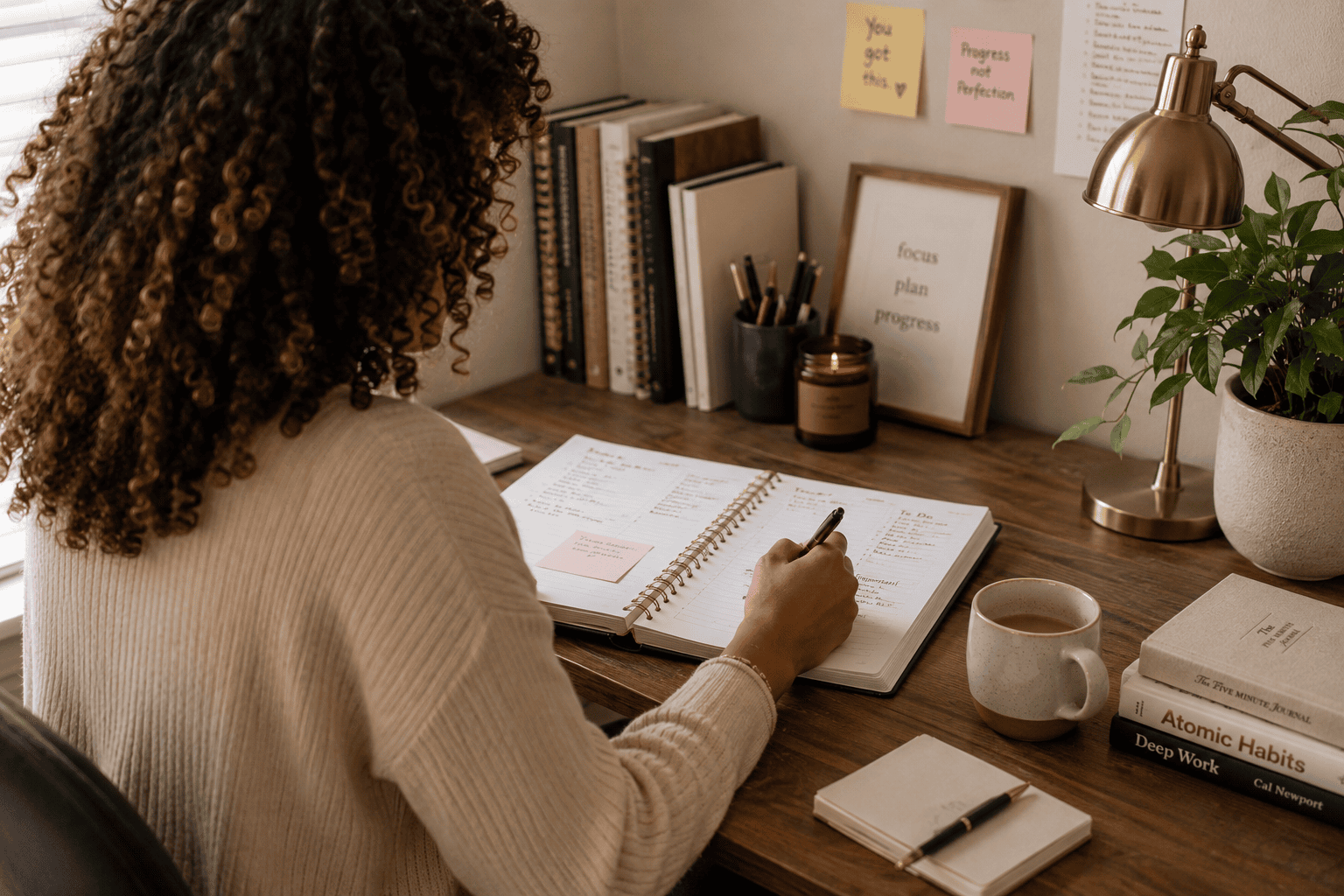
ADHD in women is often overlooked, misunderstood, or misdiagnosed. While ADHD has traditionally been associated with hyperactive boys, many women experience symptoms that present differently. Instead of obvious hyperactivity, they may struggle with chronic disorganization, forgetfulness, emotional overwhelm, difficulty managing time, procrastination, and persistent feelings of falling behind despite their best efforts.
Because these symptoms do not always fit common stereotypes, many women reach adulthood without realizing that ADHD may be contributing to challenges at work, in relationships, and in everyday life. Years of coping, masking, and self-criticism can lead to anxiety, perfectionism, low self-esteem, and burnout before the underlying cause is ever recognized.
In this article, we'll explore why ADHD in women often goes undiagnosed, how symptoms can differ from traditional presentations, and the impact untreated ADHD can have on mental health, relationships, and overall well-being.
Common Signs of ADHD in Women
ADHD symptoms can look very different from one person to another, which is one reason the condition is often overlooked in women. Some struggle primarily with attention and organization, while others notice challenges with emotional regulation, time management, or completing everyday tasks. Symptoms may also become more noticeable during periods of increased responsibility, such as college, career changes, parenthood, or other major life transitions.
Rather than one obvious sign, ADHD often shows up as a collection of patterns that create ongoing frustration and stress. Many women spend years developing workarounds without realizing these challenges may be connected.
Below are some of the most common signs of ADHD in women:
Difficulty Managing Time
Many women with ADHD struggle with time management, even when they genuinely care about being punctual and staying organized. Tasks often take longer than expected, deadlines can sneak up unexpectedly, and estimating how much time is needed for a project may feel surprisingly difficult.
This can lead to chronic lateness, last-minute rushing, procrastination, or feeling constantly behind. For some, it creates a cycle of stress where everyday responsibilities feel harder to manage than they should.
Chronic Disorganization
Staying organized can require an enormous amount of mental energy. Important documents get misplaced, clutter builds up despite repeated attempts to tidy, and keeping track of schedules, appointments, and responsibilities can feel overwhelming.
This does not mean someone is lazy or doesn't care. In many cases, women with ADHD are working extremely hard to stay organized, but the systems they put in place may be difficult to maintain consistently.
Forgetfulness
Forgetfulness is one of the most commonly reported ADHD symptoms in adult women. This may include missing appointments, forgetting conversations, overlooking deadlines, misplacing everyday items, or walking into a room and forgetting why you went there in the first place.
Repeatedly forgetting things can be frustrating and embarrassing, especially when it affects work, relationships, or important responsibilities. Over time, it may also contribute to feelings of guilt and self-doubt.
Difficulty Following Through
Starting a task and finishing it are often two very different things. A woman with ADHD may begin projects with enthusiasm but struggle to maintain focus or momentum long enough to complete them.
Unfinished projects, half-read books, abandoned hobbies, and growing to-do lists are common experiences. This can be particularly confusing for people who are motivated and genuinely want to accomplish their goals.
Emotional Sensitivity and Overwhelm
ADHD affects more than attention and organization. Many women also experience intense emotional reactions, frustration, irritability, or difficulty recovering from stressful situations.
Small setbacks may feel much bigger than they appear from the outside. Criticism can be especially difficult to handle, and everyday stressors may quickly become overwhelming when multiple responsibilities are competing for attention.
Mental Exhaustion
Trying to stay organized, remember responsibilities, manage distractions, and keep up with daily demands can be mentally draining. Many women describe feeling exhausted even when they have not been physically active.
This exhaustion is often misunderstood because much of the effort happens internally. Constantly trying to stay focused, manage responsibilities, and compensate for symptoms can take a significant toll over time.

Why ADHD Is Often Misdiagnosed as Anxiety or Depression
For some women, anxiety, overwhelm, or emotional exhaustion is what finally leads them to seek support. By that point, ADHD may not be the concern they bring into therapy or discuss with their doctor. Instead, attention is often focused on the emotional impact of what they've been experiencing.
This pattern is common enough that women with ADHD are frequently diagnosed years later than men, sometimes after receiving treatment for anxiety, depression, or other concerns first.
For example, someone who frequently misses deadlines or struggles to stay on top of responsibilities may become increasingly worried about making mistakes. Someone who feels constantly behind may spend a great deal of time overthinking, second-guessing decisions, or trying to prepare for every possible outcome. From the outside, these experiences can look very similar to anxiety.
In workplace settings, these patterns can create significant stress and self-doubt. When deadlines, responsibilities, and performance expectations start to feel overwhelming, workplace anxiety often becomes part of the experience as well.
Depression can also enter the picture. Years of feeling frustrated with yourself, struggling to meet expectations, or wondering why things seem harder than they should can gradually affect confidence and motivation. A woman may begin to feel discouraged, defeated, or emotionally drained without realizing that ADHD-related challenges have been contributing to those feelings for years.
This does not mean an ADHD diagnosis automatically rules out anxiety or depression. In fact, many women experience both. The challenge is that ADHD may remain hidden when the conversation focuses only on the emotional symptoms without exploring what may be happening underneath them.
This is one reason a thorough assessment is so important. Looking at long-term patterns, rather than only current symptoms, can provide a much clearer picture of what someone has been dealing with and what kind of support is most likely to help.
The Hidden Side of ADHD in Women
One reason ADHD can be difficult to recognize in women is that many become skilled at hiding, compensating for, or working around their symptoms. Mental health professionals often refer to this as masking. For some, these habits develop so early that they simply feel like part of everyday life rather than strategies for managing ADHD.
A woman with ADHD may appear organized, responsible, and successful on the surface while putting in significantly more effort than others realize. The challenges are often hidden behind routines, reminders, preparation, and constant self-monitoring.
Masking can look like:
Spending extra time preparing for tasks to avoid forgetting something important
Double-checking emails, appointments, or responsibilities repeatedly
Relying heavily on calendars, lists, and reminders to stay on track
Hiding feelings of overwhelm from coworkers, friends, or family members
Avoiding situations where difficulties with focus or organization might become noticeable
Working longer hours to compensate for distractions or lost time during the day
These strategies can help someone function effectively, but they often come at a cost. Constantly monitoring yourself, trying not to make mistakes, and working hard to keep everything together can be exhausting.
Because the struggles are largely invisible, friends, family members, and even healthcare providers may not recognize what is happening behind the scenes. As a result, women often receive praise for appearing capable and dependable while privately feeling overwhelmed by the effort required to maintain that image.
Hormones and ADHD: An Often Overlooked Connection
Hormones can influence how ADHD symptoms show up, which is one reason the condition can look different in women. Some women notice that focus, emotional regulation, motivation, or concentration become more difficult during certain points in their menstrual cycle, particularly in the days leading up to their period.
Hormonal changes during pregnancy, postpartum, perimenopause, and menopause can also affect ADHD symptoms. A woman who has spent years managing fairly well may suddenly find that strategies that once worked are no longer as effective. In some cases, these shifts are what finally prompt someone to seek answers.
Research has found that a large percentage of women with ADHD report changes in symptoms throughout their menstrual cycle, suggesting that hormones may play a bigger role than many people realize.
Because these changes can happen gradually or coincide with major life transitions, ADHD is sometimes mistaken for stress, anxiety, burnout, or hormonal changes alone. Looking at the bigger picture can help explain why symptoms may seem inconsistent and why ADHD is often overlooked in women for so long.
How Therapy Can Help Women With ADHD
Living with ADHD can affect far more than attention and organization. It can influence how you manage responsibilities, respond to stress, navigate life transitions, and view yourself. Therapy provides a space to better understand these patterns and develop strategies that work with your strengths rather than against them.
Therapy may help with:
Managing daily responsibilities and routines
Improving time management and organization
Navigating emotional overwhelm
Reducing self-criticism and self-doubt
Building healthier coping strategies
Improving confidence and self-understanding
At Brave Soul Therapy, we provide online therapy for women throughout California, including women navigating the challenges that can come with ADHD. Our therapists help clients better understand their experiences, identify what is and isn't working, and develop practical tools that support everyday life.
A Note on Self-Recognition
For some women, the most surprising part of learning about ADHD is recognizing how long certain patterns have been present. Challenges that once seemed unrelated, difficulties that were brushed off as personality flaws, or struggles that never quite made sense can start to look different when viewed through the lens of ADHD.
That recognition can bring a mix of emotions. There may be relief in finally having an explanation, frustration about years spent blaming yourself, or curiosity about what life might look like with a better understanding of how your mind works.
Not every woman who relates to these experiences has ADHD. At the same time, persistent struggles with focus, organization, emotional regulation, or keeping up with daily demands deserve attention rather than dismissal. Sometimes self-recognition begins with realizing that there may be more to the story than simply needing to try harder.